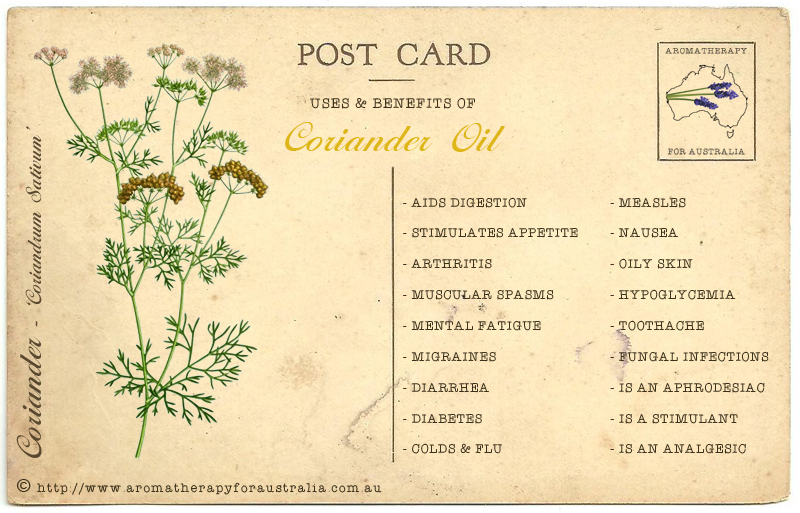
Coriander Essential Oil
Family Name: Apiaceae
Common Name: Coriander, Coriander Seed
Botanical Name: Coriandrum sativum
Extraction Method: Steam distilled from the dried seeds.
Odour: Warm, sweet, spicy, slightly woody with soft herbaceous undertones
General Description
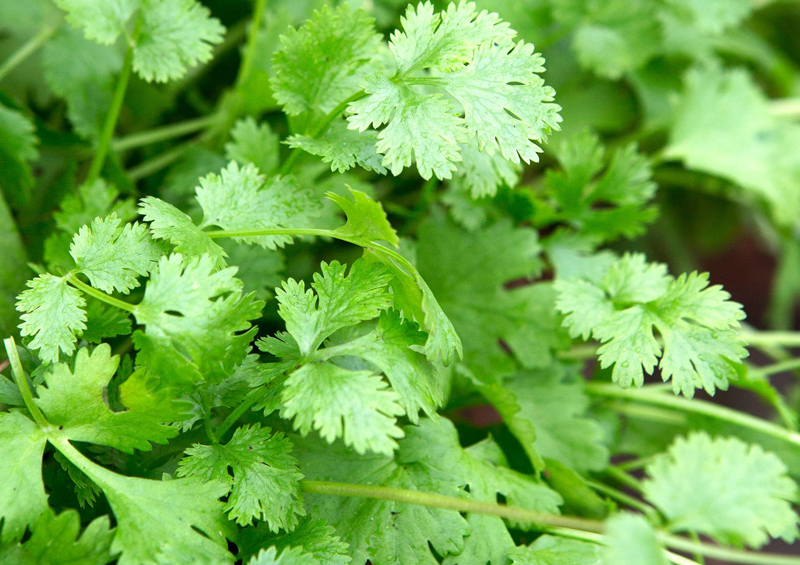
Coriander essential oil is derived from the seeds of Coriandrum sativum, an annual herb widely cultivated across Europe, Asia, and the Mediterranean. While the fresh leaves are commonly known as cilantro, it is the dried seeds that are used to produce the essential oil.
The oil has a warm, gently spicy aroma with subtle sweetness, making it both comforting and uplifting. It is widely used in aromatherapy, perfumery, and natural medicine for its soothing, digestive, and revitalising properties.
History / Folk Lore
Coriander has been used for thousands of years in both culinary and medicinal traditions. It is one of the oldest known herbs, with seeds found in ancient Egyptian tombs, where it was valued for its preservative and healing qualities.
In traditional Ayurvedic and Chinese medicine, coriander was used to support digestion, reduce inflammation, and promote overall balance within the body. It was also believed to have aphrodisiac qualities and was used in love potions and tonics.
Throughout history, coriander has been associated with vitality, warmth, and protection, often used to support both physical and emotional wellbeing.
Main Uses In Massage
Coriander essential oil is commonly used in massage blends for its warming and soothing effects. It may help ease muscular aches, stiffness, and joint discomfort, while also supporting circulation.
It is particularly beneficial in digestive massage blends, where it may help relieve bloating and abdominal discomfort. Its comforting aroma also helps to relax the body and mind.
Therapeutic Properties & Actions
Carminative, antispasmodic, analgesic, anti-inflammatory, digestive, stimulant, warming, deodorant, tonic, calming
Body Systems & Therapeutic Uses
Digestive System – Coriander is well known for its digestive benefits. It may help relieve bloating, indigestion, gas, and abdominal discomfort.
Musculoskeletal System – Its analgesic and anti-inflammatory properties may help ease muscle pain, stiffness, and joint discomfort.
Circulatory System – Coriander may help stimulate circulation, promoting warmth and improved blood flow.
Nervous System – The oil has a balancing effect, helping to reduce stress, nervous tension, and fatigue while gently uplifting the mood.
Skin – Its cleansing and deodorising properties may help support clearer skin and reduce body odour.
Mind & Emotions – Coriander promotes a sense of warmth, comfort, and emotional ease, helping to restore balance and relaxation.
Precautions
Coriander essential oil is generally considered safe when used appropriately and diluted.
Use with care on sensitive skin and always perform a patch test before topical application.
Avoid excessive use during pregnancy unless advised by a qualified practitioner.
Disclaimer: Information on this page is for educational purposes only and should not replace advice from a medical practitioner.
© Graphics are property of Aromatherapy For Australia. Please do not use images without permission or without credit or link back to this blog post.
Please read our Terms & Conditions