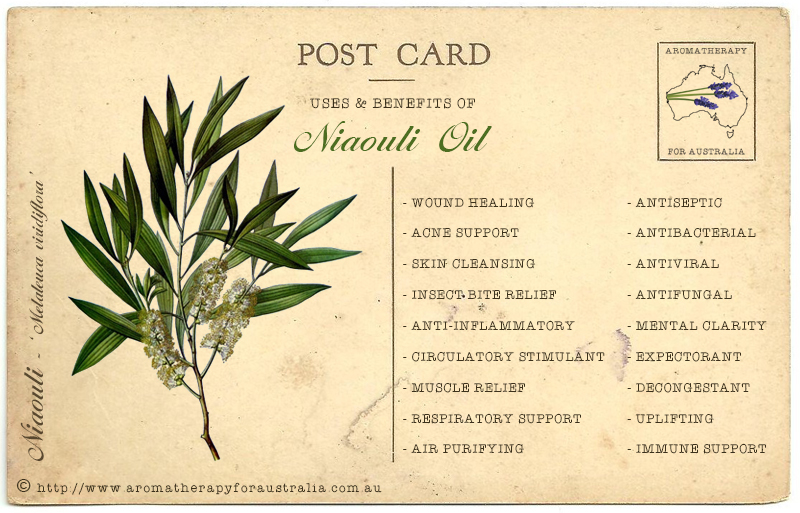
Niaouli Essential Oil
Family Name: Myrtaceae
Common Name: Niaouli
Botanical Name: Melaleuca viridiflora
Extraction method: Steam distilled from the leaves and young twigs
Odour: Fresh, camphoraceous, slightly sweet, medicinal, with green and woody undertones
General Description
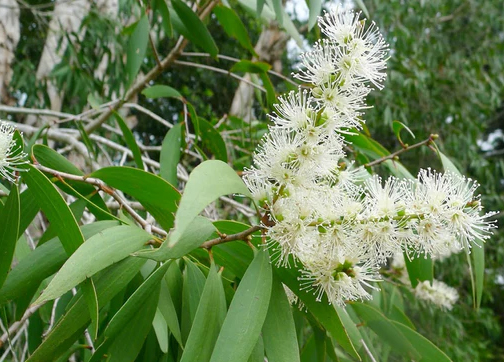
Niaouli essential oil is derived from Melaleuca viridiflora, an evergreen tree native to Australia and parts of New Caledonia. It thrives in coastal and swampy environments and is closely associated with the rich biodiversity of these regions.
The oil is distilled from the leaves and twigs, producing a clear, penetrating aroma that is both fresh and cleansing. Niaouli is often valued for its strong purifying properties and is considered more stimulating and sharper in scent compared to other Melaleuca oils.
History / Folk Lore
Niaouli has a long history of traditional use among Indigenous Australian communities, who utilised the leaves for their cleansing and healing properties. The leaves were often crushed or infused for use in treating wounds, infections, and respiratory ailments.
In New Caledonia, niaouli has been widely used in traditional medicine for its antiseptic and protective qualities. It was also valued for purifying the air and supporting recovery during illness.
Over time, niaouli became recognised in European herbal and aromatherapy traditions as a powerful oil for respiratory and immune support.
Main Uses In Massage
Niaouli essential oil is commonly used in massage blends for its stimulating and clearing effects. It may help support circulation, ease muscular discomfort, and provide a warming sensation to the body.
It is also included in blends designed to support the immune system and relieve congestion, making it especially useful during seasonal changes.
Therapeutic Properties & Actions
Antiseptic, antibacterial, antiviral, antifungal, expectorant, decongestant, anti-inflammatory, immune supportive, stimulant, tonic
Body Systems & Therapeutic Uses
Respiratory System – Niaouli is well known for its powerful effect on the respiratory system. It may help relieve congestion, sinusitis, coughs, and bronchial conditions while promoting clearer breathing.
Immune System – With strong antimicrobial properties, niaouli may help support the body’s natural defences and assist in fighting infections.
Skin – Niaouli’s antiseptic and healing properties make it useful for minor wounds, cuts, insect bites, and skin infections. It may also support acne-prone skin.
Musculoskeletal System – Its mild anti-inflammatory and stimulating properties may help ease muscular aches, stiffness, and general discomfort.
Circulatory System – Niaouli may help stimulate circulation, promoting warmth and improved blood flow.
Nervous System – The oil has an uplifting and clarifying effect, helping to reduce mental fatigue and promote alertness.
Precautions
Niaouli essential oil is generally considered safe when used appropriately and diluted.
Due to its stimulating nature, it should be used with care on sensitive skin.
Disclaimer: Information on this page is for educational purposes only and should not replace advice from a medical practitioner.
© Graphics are property of Aromatherapy For Australia. Please do not use images without permission or without credit or link back to this blog post.
Please read our Terms & Conditions