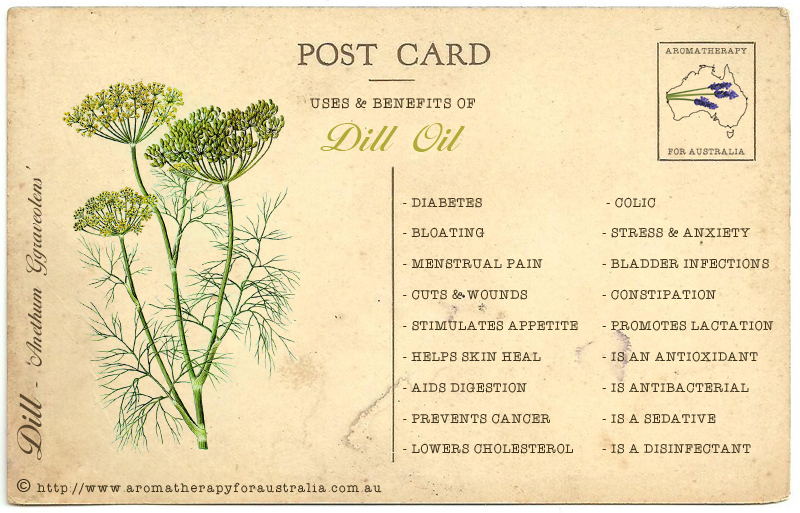
Dill Essential Oil
Family Name: Apiaceae
Common Name: Dill
Botanical Name: Anethum graveolens
Extraction Method: Steam distilled from the seeds (dill seed) or the herb (dill weed)
Odour: Fresh, sweet, herbaceous, slightly spicy with soft warm and grassy undertones
General Description
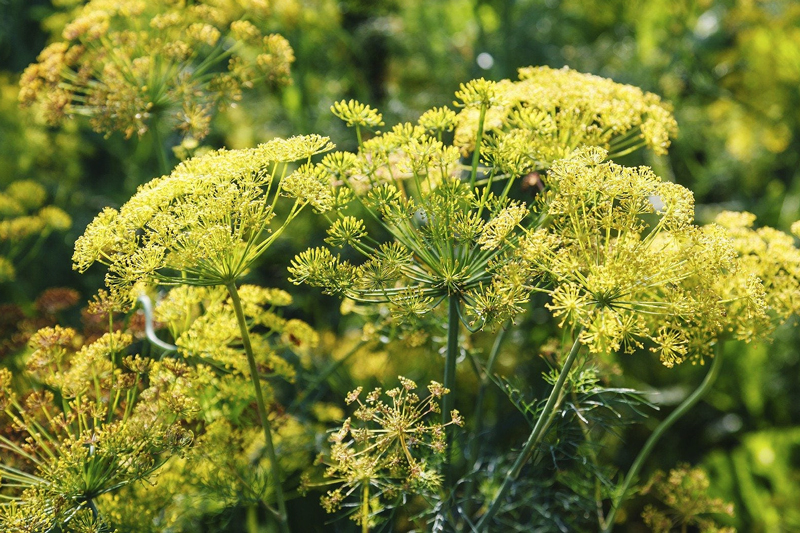
Dill essential oil is derived from Anethum graveolens, a delicate annual herb native to Europe and Asia, now widely cultivated around the world. The plant features feathery green leaves and small yellow flowers, producing seeds that are highly aromatic.
The essential oil can be distilled from either the seeds or the aerial parts of the plant, with seed oil typically being warmer and more potent, while the herb oil is lighter and fresher. Dill oil is valued in aromatherapy for its soothing, digestive, and calming properties.
History / Folk Lore
Dill has a long history of use dating back to ancient Egypt, Greece, and Rome, where it was valued both as a culinary herb and medicinal plant. It was commonly used to support digestion and relieve digestive discomfort.
In European folk traditions, dill was associated with protection and was often used in charms or hung in homes to ward off negative influences. It was also used to promote restful sleep and calm the mind.
In traditional herbal medicine, dill was widely used for infants and children to ease colic and digestive upset, earning it a reputation as a gentle and comforting remedy.
Main Uses In Massage
Dill essential oil is commonly used in massage blends for its calming and digestive-supportive properties. It may help relieve abdominal discomfort, bloating, and tension when applied in diluted form to the abdomen.
It is also used in relaxation blends to help ease nervous tension and promote a sense of calm. Its gentle nature makes it suitable for soothing both the body and mind.
Therapeutic Properties & Actions
Carminative, antispasmodic, digestive, calming, sedative, antispasmodic, tonic, soothing, mild stimulant
Body Systems & Therapeutic Uses
Digestive System – Dill is best known for its digestive benefits. It may help relieve bloating, gas, indigestion, and abdominal cramping.
Nervous System – Dill has a calming and mildly sedative effect, helping to reduce stress, nervous tension, and support restful sleep.
Musculoskeletal System – Its antispasmodic properties may help ease mild muscle tension and spasms.
Skin – Dill may help gently cleanse and soothe the skin, supporting minor irritations.
Immune System – Traditionally used to support general wellbeing, dill may help assist the body’s natural defences.
Mind & Emotions – Dill promotes relaxation, comfort, and emotional ease, making it useful during times of stress or restlessness.
Precautions
Dill essential oil is generally considered safe when used appropriately and diluted.
Use with care during pregnancy and always perform a patch test before topical application.
Avoid excessive use, especially in sensitive individuals.
Disclaimer: Information on this page is for educational purposes only and should not replace advice from a medical practitioner.
© Graphics are property of Aromatherapy For Australia. Please do not use images without permission or without credit or link back to this blog post.
Please read our Terms & Conditions