Cinnamon Essential Oil
Family Name: Lauraceae
Common Name: Cinnamon
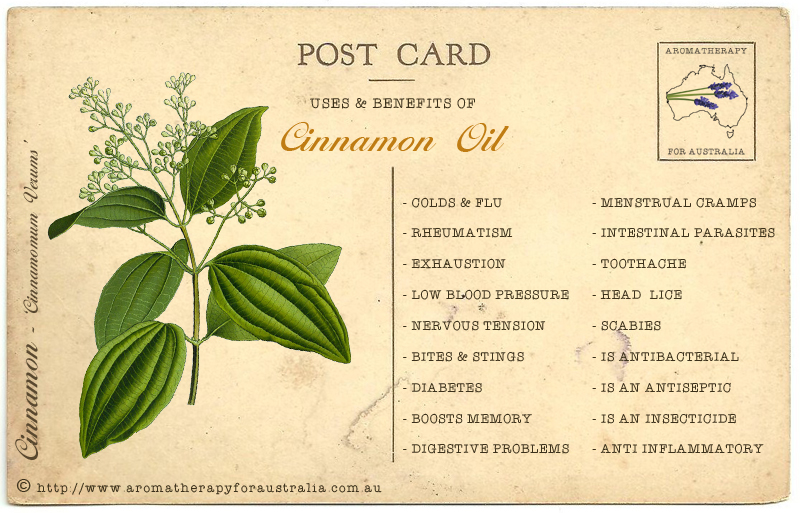
Botanical Name: Cinnamomum verum (syn. Cinnamomum zeylanicum)
Extraction Method: Steam distilled from the bark (Cinnamon Bark Oil) or the leaves (Cinnamon Leaf Oil).
Odour: Bark Oil – Warm, sweet, rich, spicy and intensely aromatic
Leaf Oil – Spicy, clove-like, slightly harsher and more medicinal
General Description
Cinnamon is an evergreen tree native to Sri Lanka and other parts of Southeast Asia, growing up to 10–15 metres in height. It has glossy green leaves, small yellowish flowers, and produces dark purple berries. The inner bark of the tree is harvested, dried, and rolled into the familiar cinnamon quills used as a spice.
Two main types of essential oil are produced: bark oil, which is more refined and sweeter in aroma, and leaf oil, which is more robust and higher in eugenol. Both are potent and should be used with care in aromatherapy.
History / Folk Lore
Cinnamon has a long and fascinating history, dating back thousands of years. It was highly prized in ancient Egypt, where it was used in embalming, perfumes, and sacred rituals. Due to its value, it was once considered more precious than gold.
In ancient trade, the origins of cinnamon were kept secret by merchants to maintain its high value. It was traded along spice routes through Arabia into Europe, where it became a symbol of wealth and luxury during the Middle Ages.
In traditional medicine systems such as Ayurveda and Traditional Chinese Medicine, cinnamon has been used to warm the body, stimulate circulation, and support digestion.
Main Uses In Massage
Cinnamon essential oil is sometimes used in very low dilutions in massage blends for its warming and stimulating effects. It may help to ease muscular aches and improve circulation. Due to its potency and high risk of skin irritation, it must be used with extreme caution and is generally avoided on sensitive skin.
Therapeutic Properties & Actions
Analgesic, antiseptic, antispasmodic, carminative, circulatory stimulant, antimicrobial, warming.
Body Systems & Therapeutic Uses
Circulatory System – Cinnamon oil is known for its strong stimulating effect on circulation. It may help to warm the body, improve blood flow, and support conditions associated with coldness or sluggish circulation.
Digestive System – Traditionally used to support digestion, cinnamon oil may assist with symptoms such as indigestion, bloating, flatulence, and nausea. Its carminative action helps to ease digestive discomfort.
Respiratory System – Cinnamon oil has antimicrobial and warming properties that may be beneficial in supporting the body during colds, coughs, and respiratory infections. It can help to clear congestion and support immune function.
Immune Support – Due to its strong antimicrobial properties, cinnamon oil is often used in blends designed to help protect against seasonal illness and environmental pathogens.
Mind – Cinnamon has an energising and stimulating effect on the mind. It may help to reduce fatigue, improve focus, and create a sense of warmth and comfort.
Precautions
Cinnamon essential oil (especially bark oil) is a strong skin irritant and sensitising agent and should always be used in very low dilutions.
It is generally not recommended for use on sensitive skin.
Avoid use during pregnancy and on children.

Disclaimer: Information on this page is for educational purposes only and should not replace advice from a medical practitioner.
© Graphics are property of Aromatherapy For Australia. Please do not use images without permission or without credit or link back to this blog post.
Please read our Terms & Conditions