Patchouli Essential Oil
Family Name: Lamiaceae
Common Name: Patchouli
Botanical Name: Pogostemon cablin
Extraction Method: Steam distilled from the dried, fermented leaves
Odour: Deep, earthy, rich, musky and slightly sweet with woody undertones
General Description
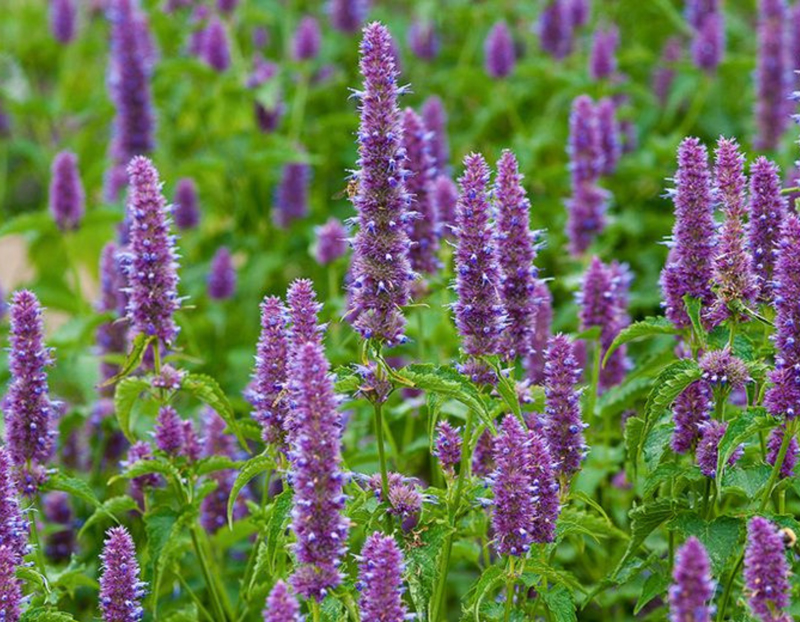
Patchouli is a bushy, aromatic herb native to tropical regions of Asia, particularly Indonesia and the Philippines. It grows up to 1 metre in height with large, soft leaves and small pale flowers.
The essential oil is derived from the leaves, which are traditionally dried and lightly fermented before distillation to enhance the depth of aroma. Patchouli oil is well known for its ability to improve with age, developing a smoother, richer scent over time. It is widely used in perfumery as a base note and fixative due to its long-lasting fragrance.
History / Folk Lore
Patchouli has a rich history tied to trade and perfumery. In the 19th century, it was used to scent fabrics such as silk and shawls exported from India to Europe, helping to protect them from insects. The distinctive aroma became associated with luxury and authenticity.
In traditional Eastern medicine, patchouli was used to treat skin conditions, digestive complaints, and infections. It later gained popularity in the 1960s and 1970s as a symbol of natural living and spirituality.
Patchouli has long been associated with grounding, sensuality, and connection to the earth.
Main Uses In Massage
Patchouli essential oil is commonly used in massage blends for its grounding and balancing effects. It is particularly beneficial for calming the mind, supporting emotional wellbeing, and improving the appearance of the skin. Its rich aroma also makes it a popular addition to blends designed for relaxation and sensuality.
Therapeutic Properties & Actions
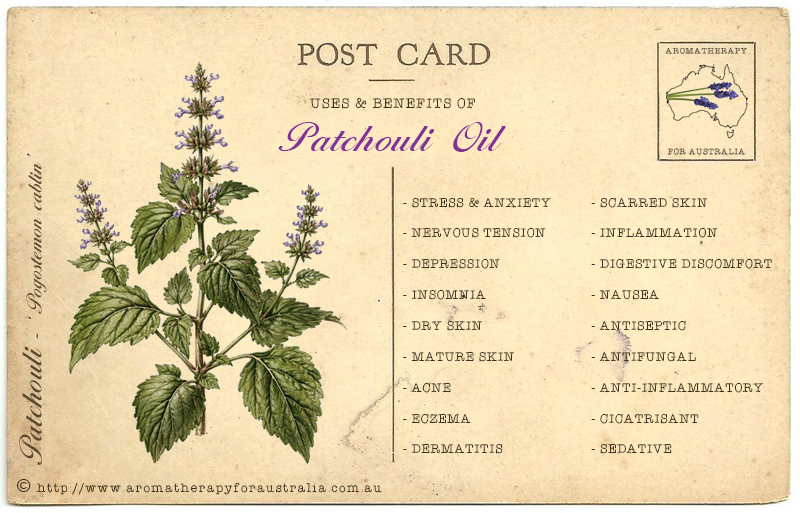
Antidepressant, antiseptic, anti-inflammatory, antifungal, cicatrisant, sedative, tonic.
Body Systems & Therapeutic Uses
Skin – Patchouli is highly valued for skin care. It may help with dry, cracked, or mature skin, as well as conditions such as acne, eczema, and dermatitis. Its cicatrisant properties support skin regeneration and healing.
Nervous System – Patchouli has a grounding and calming effect on the mind. It may help to reduce stress, anxiety, and emotional imbalance while promoting relaxation and stability.
Digestive System – Traditionally used to support digestion, patchouli may assist with symptoms such as nausea, indigestion, and sluggish digestion.
Immune Support – With its antimicrobial and antifungal properties, patchouli is often used to support the body’s natural defence systems.
Circulatory System – Patchouli may help to support circulation and has a balancing effect on the body, assisting in overall vitality.
Precautions
Patchouli essential oil is generally considered safe when used appropriately.
Due to its strong aroma, it should be used in moderation.
Disclaimer: Information on this page is for educational purposes only and should not replace advice from a medical practitioner.
© Graphics are property of Aromatherapy For Australia. Please do not use images without permission or without credit or link back to this blog post.
Please read our Terms & Conditions