Rosemary Essential Oil
Family Name: Lamiaceae
Common Name: Rosemary
Botanical Name: Rosmarinus officinalis
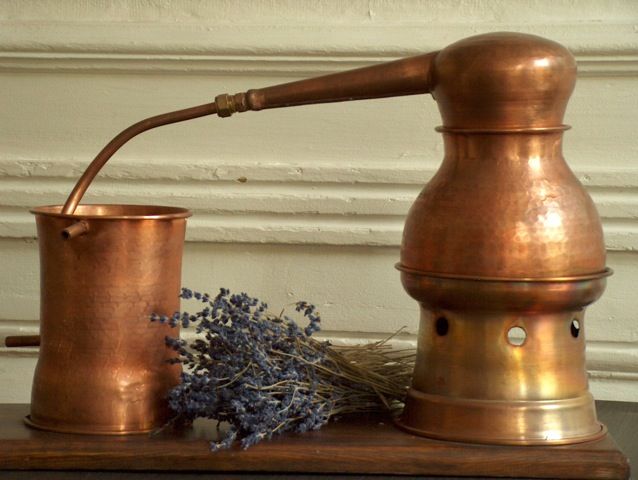
Extraction method: Steam distillation of the leaves, flowers and twigs.
Odour: ‘Strong, fresh, woody herbaceous scent’.
General Description:
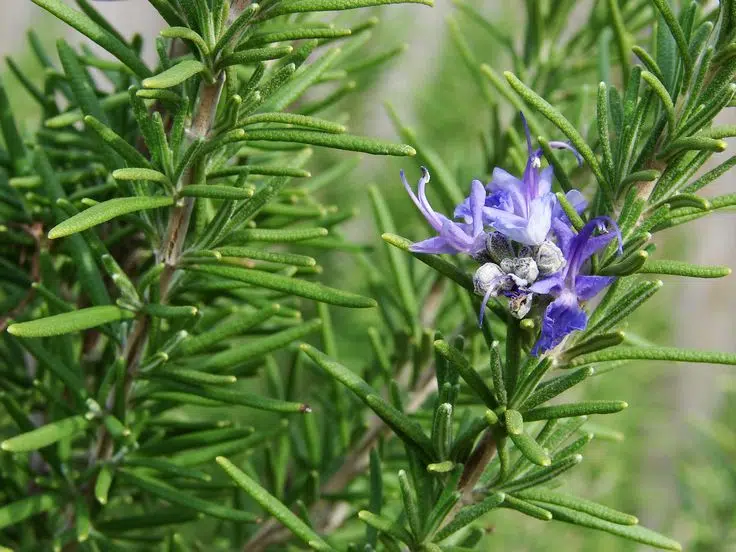
Rosemary is an evergreen perennial shrub, growing to a height of 80 to 180 centimetres, with leathery, needle-like, silver-green leaves and small, tubular, pale-blue flowers. Originating in the Mediterranean, the herb now grows throughout Europe, North Africa, the Middle East, and California.
History / Folk Lore
The name ‘Rosemary’ is derived from the Latin ‘ros marinus’, meaning ‘rose of the sea’. Traces of Rosemary have been found in Egyptian tombs and indeed the Greeks and Romans saw it as a symbol of regeneration as well (they held it to be a sacred plant, giving comfort to the living and peace to the dead). Rosemary sprigs adorned their gods and it was used as incense to drive away evil spirits. Its antiseptic properties were also recognized in French hospitals where it was burnt during epidemics.
Essential oil of rosemary was first distilled in the 13th century. At funerals, rosemary was burnt as an incense, in respect and memory of the dead. Valued by the ancients for its power to enhance concentration, its association with remembrance persisted for centuries, the most famous evidence of this being uttered by the tragic Ophelia: “There’s rosemary, that’s for remembrance”.
The plant was also thought to bring good luck, and to impart protection against magic and witchcraft.
Main Uses In Massage
There are three principal chemotypes of R. officinalis growing in Europe. (CT 1,8-cineole, CT camphor & CT verbenone)
The camphor and cineole chemotypes are similar and are both stimulating and vasodilatory. They are good strengthening tonics for the whole body and often used for clients who are tired, run down, and lethargic. Recommended for topical application for muscular and joint pains and stiffness. Can also be helpful for headaches, massaged into the neck muscles if they are stiff, and onto the temples.
The cineole chemotype is particularly effective for the respiratory system and is best used for ailments such as bronchitis and sinusitis.
The verbenone chemotype is considered the best choice for skin. Since it is less “stimulating” than the other two types.
Therapeutic Properties or Actions
Analgesic, antidepressant, astringent, carminative, cephalic, cholagogue, digestive, diuretic, emmenagogue, hepatic, hypertensive, nervine, rubefacient, stimulant, sudorific, tonic.
Body Systems & Therapeutic Uses
Respiratory system– CT cineole is recommended for catarrhal conditions and respiratory ailments such as bronchitis, asthma and sinusitis.
Musculo/skeletal system – A good analgesic and should be used for treating rheumatism, arthritis and tired, stiff and overworked muscles.
Nervous system – Well known for its stimulating effect on the central nervous system (CNS). Reputed to be a brain stimulant and is used for poor concentration and nervous debility.
Skin Care – Has been used traditionally in skin and hair care. Extensively used in hair care products and used to help stimulate hair growth.
Precautions
General regarded as safe (GRAS)
Limited use during pregnancy — particularly first trimester
Avoid use on young children.
Disclaimer: Information on this page is for educational purposes only and should not replace advice from a medical practitioner.
© Graphics are property of Aromatherapy For Australia. Please do not use images without permission or without credit or link back to this blog post.
Please read our Terms & Conditions