I have some new blends in the works which I am excited to be releasing soon. Whilst I was creating these blends I got to thinking how working as an aromatherapist is a perfect combination of both art and science. Perhaps it was all the oils that I was smelling that had me pondering and feeling the need to put the words to paper (or should I say – my blog).
I have always worked in the field of creative arts (graphic and web design mostly) but it was not until I had been practicing aromatherapy for a short time that I realised the creative aspects that were also involved.
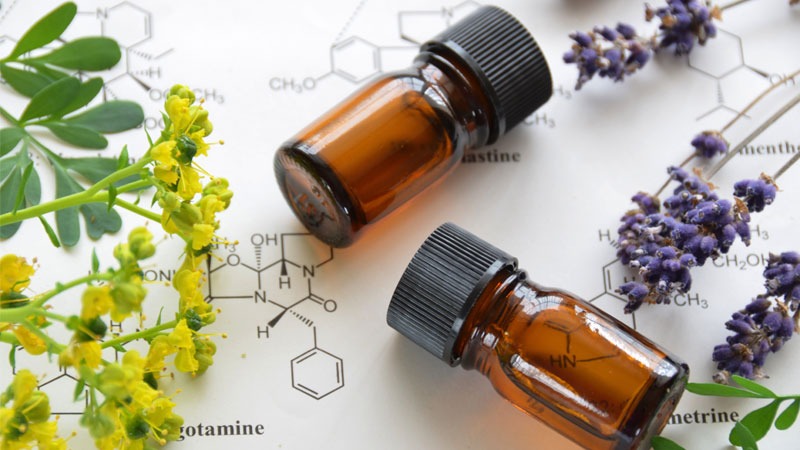
When training to becoming a qualified aromatherapist we study extensive hours, learning the therapeutic properties of essential oils, complicated and often tongue twisting botanical names, we study the plants as a whole. We must also learn medical conditions, terminology, human anatomy and how the body systems work. Personally for me going back and studying science after many years of being out of school doing creative arts was quite the challenge. Depending on if you decide to delve into clinical aromatherapy to further your studies, you are then taught essential oil chemistry – the chemical composition of the oils and how these components then interact therapeutically with the human body.
The science of essential oils is complex and we must understand the importance of safety and any contraindications an essential oil may possess. The learning never ends either once you start working as an aromatherapist. Scientific studies on essential oils continue to happen and information is constantly being updated. There’s always something new to learn whether that be through reading or practice.

Now then comes what I call the artistic part to being an aromatherapist. This includes the blending of the oils, the magic that happens when you layer, blend and create an in depth perfumed scent. Every drop counts. The variations in essential oils is phenomenal. The species, where the plant was grown, or the plant part that was used, can all make a huge difference to the outcome of your blend. You will discover things like how a scent can change over time, or how different people perceive certain scents. I often enjoy challenging myself to create natural botanical blends that mimic other synthetic fragrances. Challenging myself is part of the creative process.
As aromatherapists it’s important to understand the blending ‘notes’ of the essential oils in order to create the perfect balance and harmony of a blend. Creating an aromatherapy blend is not just about bottling a bunch of oils together because they are meant to help treat a certain condition. In most cases aromatherapists will prefer their blends to be appealing in scent. Blending a scent can evoke a thought, a feeling or trigger a memory. Creating a scent that is personalised to suit an individuals health and personal tastes is like creating a work of art in itself.
I haven’t even mentioned the other creative aspects I get to experience in this business like creating lotions, or other aromatic accessories such as candle making or hand crafted aromatherapy jewellery. Making my products look visually appealing as well as smelling great is part of my intent. Even the simple act of naming a blend is something that requires some creativity.

The sheer complexity of aromatherapy is also why I feel it’s important to get your aromatherapy advice from those who are qualified aromatherapists, not just sales people. If you are hoping to treat medical conditions it’s always wise to have a consultation with an aromatherapist and check if any of the oils may have contraindications before using them. If you have any questions please feel free to discuss with me or read my other blog posts.
Kirsten Smit
Certified Clinical Aromatherapist