Sandalwood Essential Oil
Family Name: Santalaceae
Common Name: Sandalwood
Botanical Name: Santalum album (Indian Sandalwood), Santalum spicatum (Australian Sandalwood)
Extraction Method: Steam distilled from the heartwood of the tree
Odour: Rich, warm, woody, creamy, soft, and slightly sweet with deep balsamic undertones
General Description
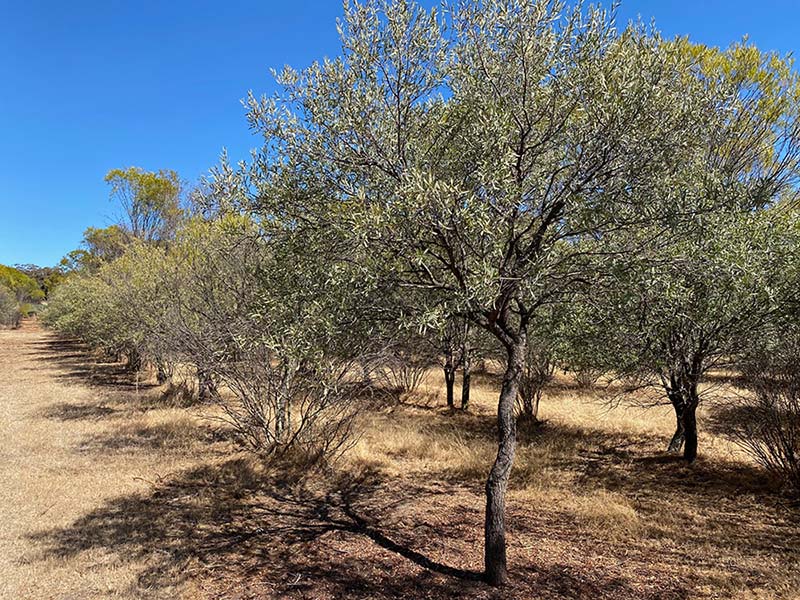
Sandalwood essential oil is derived from the heartwood of slow-growing trees belonging to the Santalum genus. Indian sandalwood (Santalum album) is traditionally considered the most prized, while Australian sandalwood (Santalum spicatum) offers a drier, slightly sharper aroma.
The oil is obtained through steam distillation of the mature heartwood, often from trees aged 15 years or more. Sandalwood has a deep, long-lasting scent that acts as a natural fixative, making it highly valued in perfumery as well as aromatherapy.
History / Folk Lore
Sandalwood has been used for thousands of years in spiritual, medicinal, and cultural practices. In India, it is considered sacred and is commonly used in religious ceremonies, meditation, and temple rituals.
In Ayurvedic medicine, sandalwood has been used to calm the mind, support the skin, and promote overall balance. It was also used in traditional Chinese medicine for its cooling and grounding properties.
Historically, sandalwood paste and oil were applied to the skin and used in incense to promote peace, clarity, and spiritual awareness.
Main Uses In Massage
Sandalwood essential oil is widely used in massage for its calming and grounding effects. It may help reduce stress, ease nervous tension, and promote deep relaxation.
It is also beneficial in skincare massage blends, particularly for dry, sensitive, or mature skin. Its soothing properties make it ideal for calming irritation and supporting overall skin health.
Therapeutic Properties & Actions
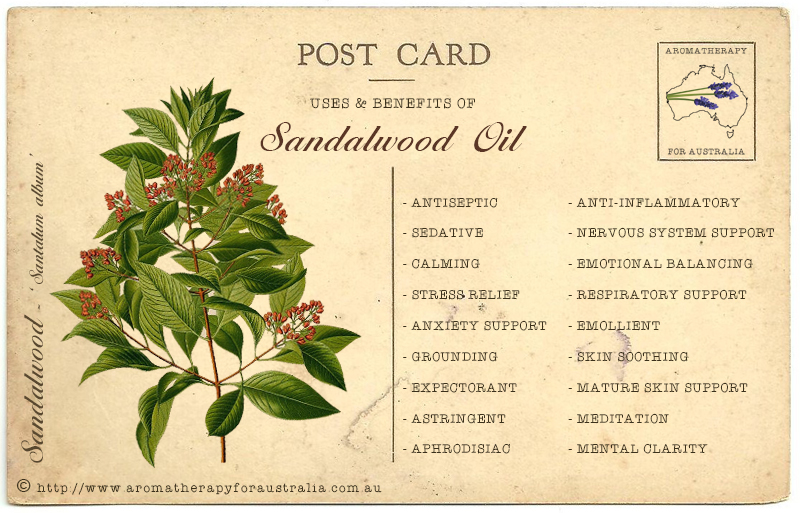
Antiseptic, anti-inflammatory, sedative, calming, astringent, emollient, expectorant, tonic, grounding, aphrodisiac
Body Systems & Therapeutic Uses
Nervous System – Sandalwood has a deeply calming effect that may help reduce stress, anxiety, and nervous tension while promoting relaxation and mental clarity.
Respiratory System – Its expectorant properties may help ease coughs, bronchial irritation, and mild respiratory discomfort.
Skin – Sandalwood is highly valued for its soothing and hydrating properties. It may help with dry, inflamed, or sensitive skin, as well as conditions such as acne and irritation.
Urinary System – Traditionally used to support urinary tract health, sandalwood may help soothe irritation and inflammation.
Immune System – Its antiseptic and anti-inflammatory properties may help support the body’s natural defence mechanisms.
Mind & Emotions – Sandalwood promotes grounding, emotional balance, and a sense of inner peace. It is widely used in meditation and spiritual practices.
Precautions
Sandalwood essential oil is generally considered safe when used appropriately and diluted.
Ensure the oil is sourced sustainably, particularly when using Santalum album.
Disclaimer: Information on this page is for educational purposes only and should not replace advice from a medical practitioner.
© Graphics are property of Aromatherapy For Australia. Please do not use images without permission or without credit or link back to this blog post.
Please read our Terms & Conditions