Myrrh Essential Oil
Family Name: Burseraceae
Common Name: Myrrh
Botanical Name: Commiphora myrrha
Extraction method: Steam distilled from the resin (oleo-gum resin) of the tree
Odour: Warm, earthy, resinous, smoky, slightly bitter, rich balsamic and medicinal
General Description
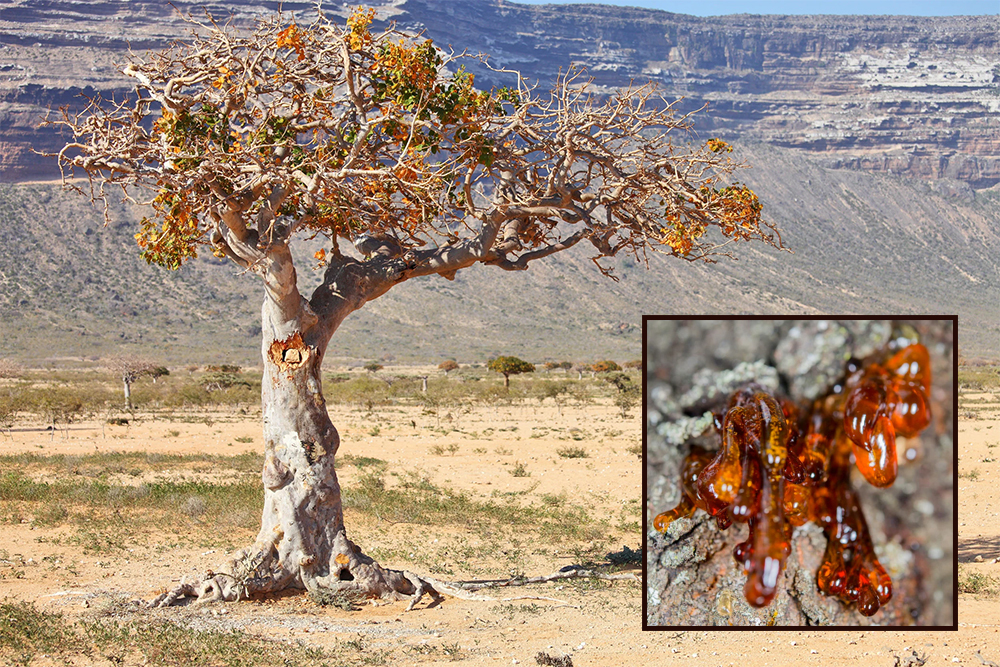
Myrrh is derived from a small, thorny tree that grows in arid regions of Northeast Africa and the Middle East, particularly Somalia, Ethiopia, and parts of Arabia. The tree produces a natural resin when its bark is cut, which hardens into reddish-brown “tears” that are later steam distilled to produce the essential oil.
The aroma is deep, grounding, and ancient, carrying a rich resinous quality that reflects its long-standing use in sacred rituals and healing traditions. Myrrh is highly valued in aromatherapy, perfumery, and traditional medicine for its restorative and protective properties.
History / Folk Lore
Myrrh has been treasured for thousands of years and is one of the most ancient aromatic substances recorded in human history. In ancient Egypt, it was used in embalming practices, incense, and skin preparations, believed to preserve and purify both body and spirit.
In biblical and spiritual traditions, myrrh is famously known as one of the gifts presented to the infant Jesus, symbolising suffering, healing, and divinity. It was also used in sacred anointing oils and temple rituals across the Middle East.
In traditional Chinese and Ayurvedic medicine, myrrh has been used for its healing, blood-moving, and anti-inflammatory properties, particularly in wound care and oral health.
Main Uses In Massage
Myrrh essential oil is often used in massage blends for its deeply grounding and restorative effects. It may help to calm the nervous system, ease emotional tension, and support meditation or reflective practices.
Physically, it is valued for its anti-inflammatory and analgesic properties, making it useful in blends for aching joints, muscular stiffness, and chronic pain. It is also used in skincare massage blends for dry, cracked, or mature skin.
Therapeutic Properties & Actions
Antiseptic, anti-inflammatory, astringent, antifungal, expectorant, analgesic, carminative, cicatrisant, immune supportive, sedative
Body Systems & Therapeutic Uses
Nervous System – Myrrh has a deeply grounding and calming effect on the mind. It may assist with emotional stability, meditation, and easing anxiety or grief.
Respiratory System – Traditionally used to support respiratory health, myrrh may help relieve coughs, congestion, and throat irritation due to its expectorant and antimicrobial properties.
Skin – Myrrh is highly beneficial for dry, cracked, and mature skin. It supports skin regeneration, wound healing, and may help reduce inflammation and minor infections.
Immune System – Known for its strong antimicrobial activity, myrrh has traditionally been used to support immune resilience and protect against infection.
Digestive System – Myrrh has been used in traditional systems to support digestive balance, ease bloating, and reduce intestinal discomfort.
Oral Health – Historically used in mouth rinses and powders, myrrh may help support gum health and reduce oral bacteria.
Precautions
Myrrh essential oil is generally safe when used appropriately and well diluted.
It should be avoided during pregnancy unless under professional guidance.
Disclaimer: Information on this page is for educational purposes only and should not replace advice from a medical practitioner.
© Graphics are property of Aromatherapy For Australia. Please do not use images without permission or without credit or link back to this blog post.
Please read our Terms & Conditions