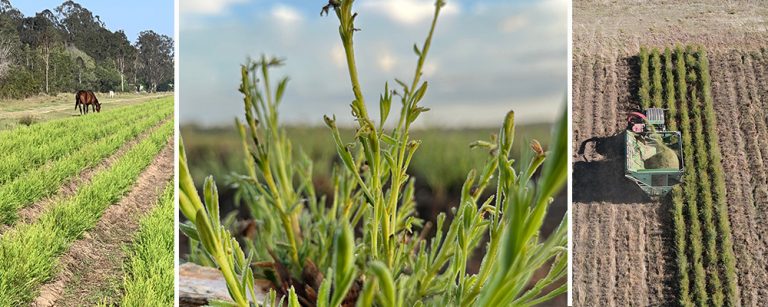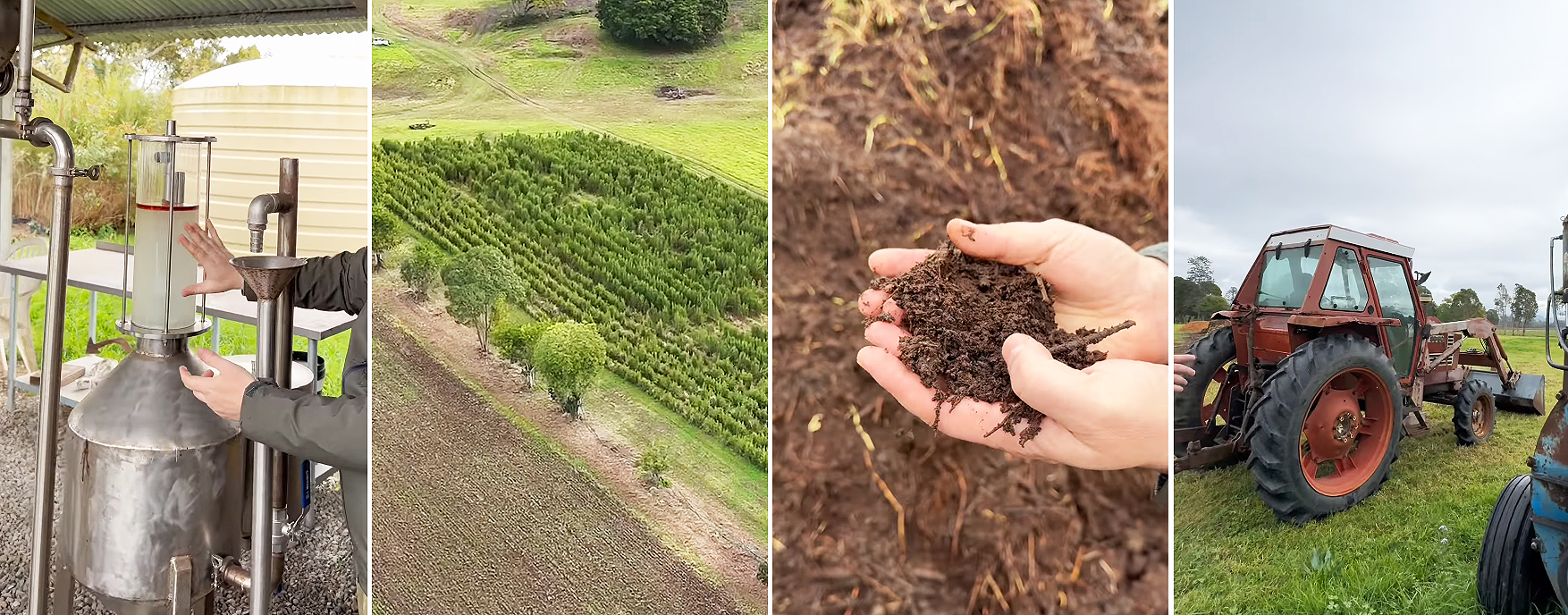
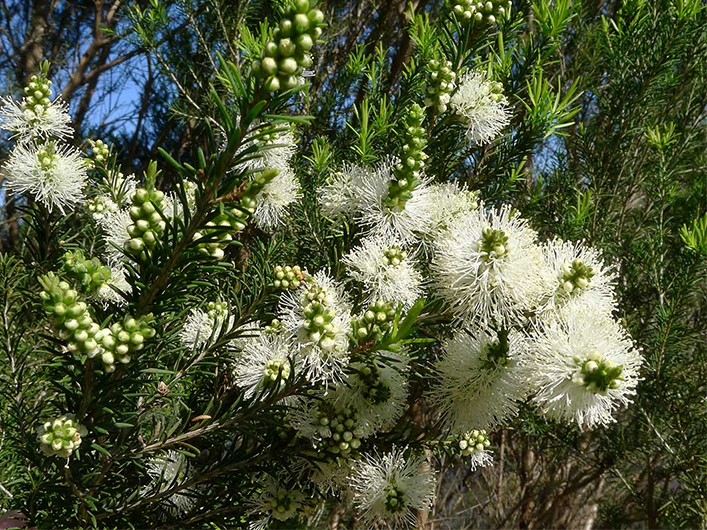
Rosalina essential oil is often celebrated for its gentle, calming aroma and versatile therapeutic benefits, but behind every bottle is a story of the land it comes from. At Aromatherapy for Australia, we believe that sourcing matters just as much as the oil itself, which is why we are proud to work with suppliers who are committed to regenerative and sustainable land management practices.
For many years, some Rosalina plantations had been left unmanaged, with sections of land neglected for up to 15 years. Without careful stewardship, plantations can become overgrown, biodiversity can decline, and the long-term health of the ecosystem may suffer. Recognising the importance of restoring balance to these landscapes, our supplier has implemented a series of regenerative practices designed to revitalise both the plantations and the surrounding environment.
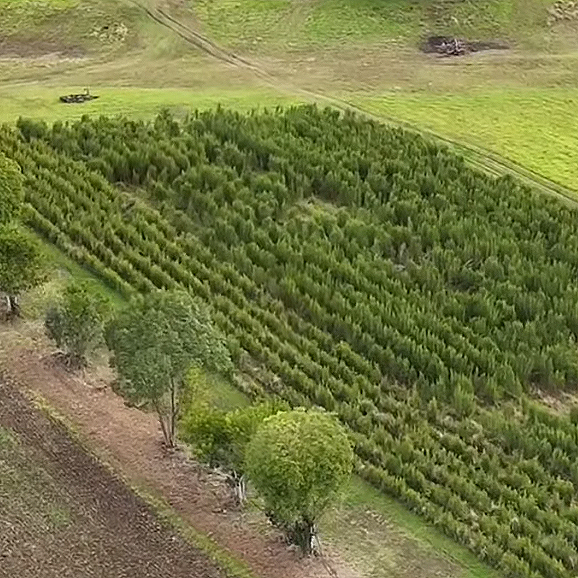
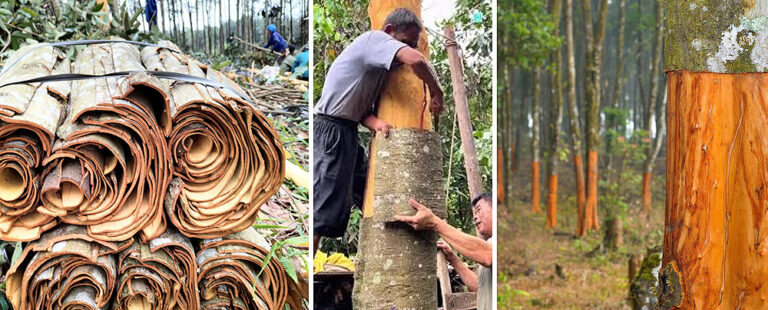
One of the key practices being used is selective harvesting. Rather than clearing large areas indiscriminately, harvesting is carefully managed to allow younger, healthier Rosalina trees to receive the sunlight and space they need to flourish. This thoughtful approach supports natural regeneration and encourages stronger, more resilient plant growth for future harvests.
Undergrowth management also plays a significant role in the restoration process. By controlling invasive weeds and excessive undergrowth, native plants are given the opportunity to thrive once again. This helps preserve the biodiversity that is essential for maintaining a healthy and balanced ecosystem. A biodiverse environment supports beneficial insects, native wildlife, soil health, and overall plantation resilience.
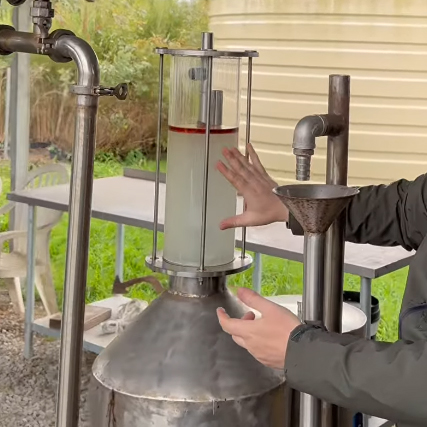
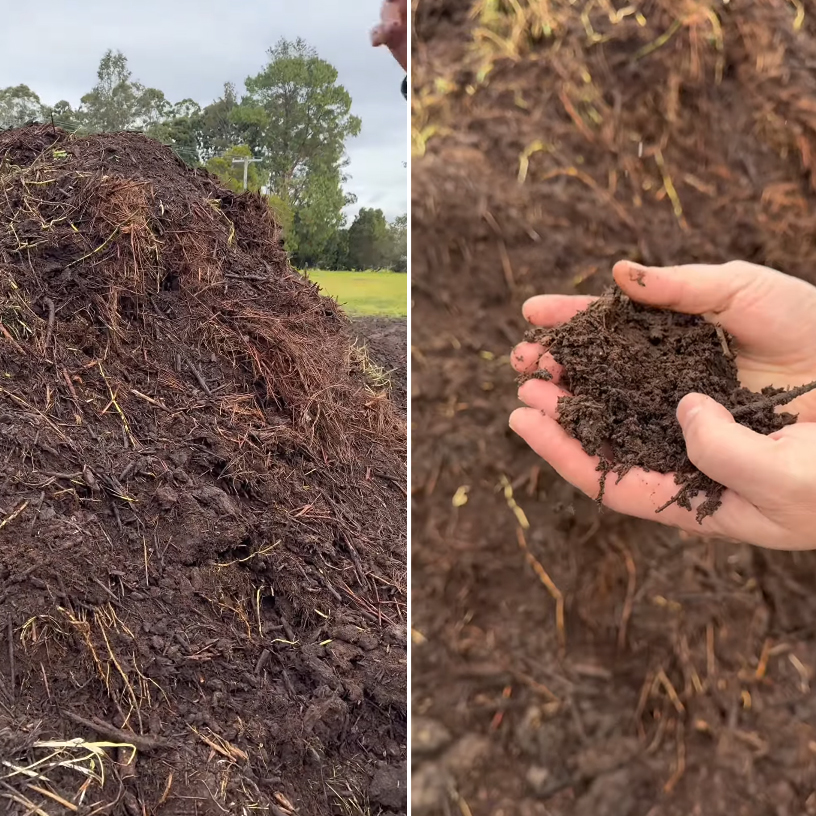
Sustainability also extends beyond the harvesting process itself. The biomass left over after the Rosalina distillation process is not wasted. Instead, the plant material is carefully composted and allowed to naturally break down over a period of 18 months to two years before being used as a nutrient-rich fertiliser. This compost is then returned to the same soil where the Rosalina trees are grown, helping to nourish the soil and maintain the long-term health and sustainability of the plantations. By returning organic matter back into the ground, the supplier supports a more circular and regenerative growing system that reduces waste while enriching the ecosystem naturally.
These regenerative efforts are about far more than improving harvest yields. They represent a long-term commitment to ecological restoration and responsible land management. Healthy plantations produce higher quality essential oils while also contributing positively to the environment through improved soil condition, stronger native vegetation, and increased ecosystem stability.
Sustainability in essential oil production is becoming increasingly important around the world, and regenerative agriculture is at the forefront of this movement. By restoring and caring for the land rather than simply extracting from it, growers can help ensure that future generations will continue to benefit from these precious botanical resources.
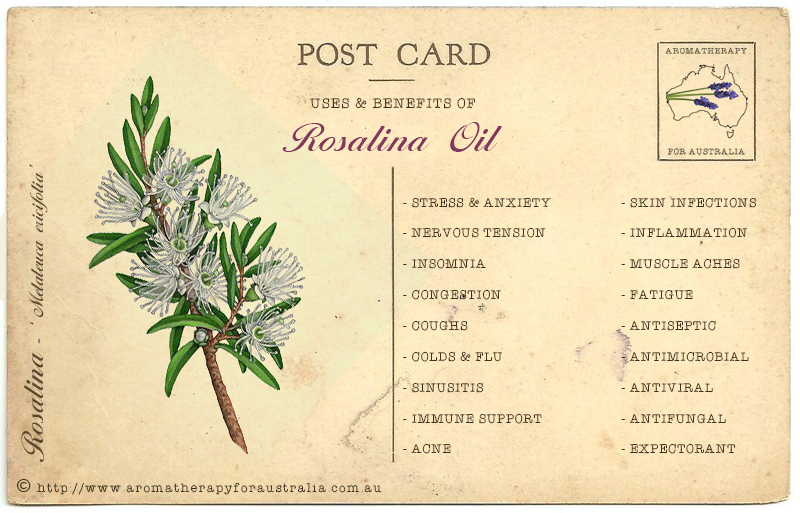
Rosalina essential oil itself remains a favourite for aromatherapy due to its soft, slightly floral aroma and its reputation as a gentler alternative to Tea Tree. Commonly used to support relaxation, respiratory wellbeing, and skin care routines, Rosalina offers both versatility and comfort in everyday wellness practices.
At Aromatherapy for Australia, we are proud to support suppliers who share our values of sustainability, environmental care, and ethical production. Every bottle of Rosalina essential oil reflects not only the beauty of the Australian landscape, but also the dedication and regenerative practices helping to protect it for years to come.
Learn More
Essential Oil Spotlight : Rosalina Essential Oil
Shop Rosalina Essential Oil