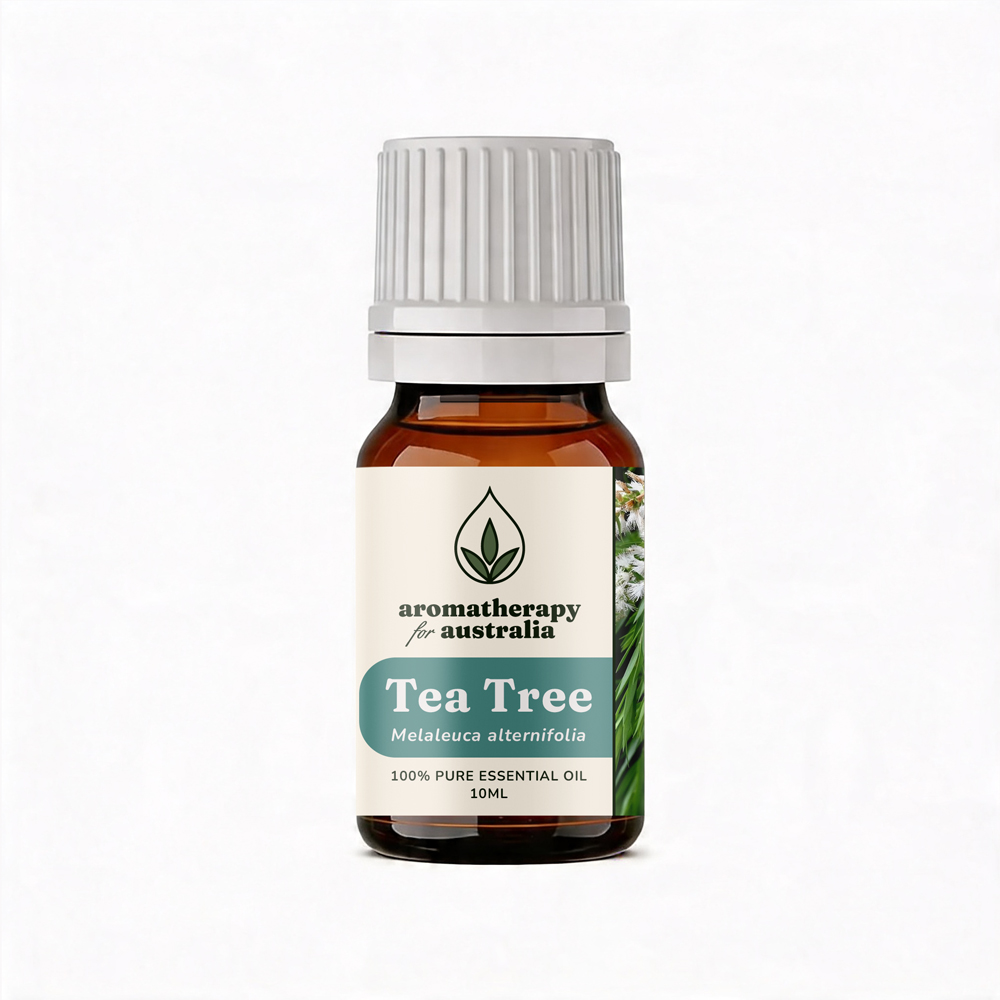
When we think about tea tree essential oil, we often think about its distinctive fresh, herbaceous aroma and its long history of use in aromatherapy. But have you ever wondered where tea tree oil comes from and how the trees are grown?
At Aromatherapy For Australia, we believe it is important to know the story behind the essential oils we use. We are proud to work with suppliers who share our commitment to quality, sustainability and responsible production.
A tea tree plantation built to last
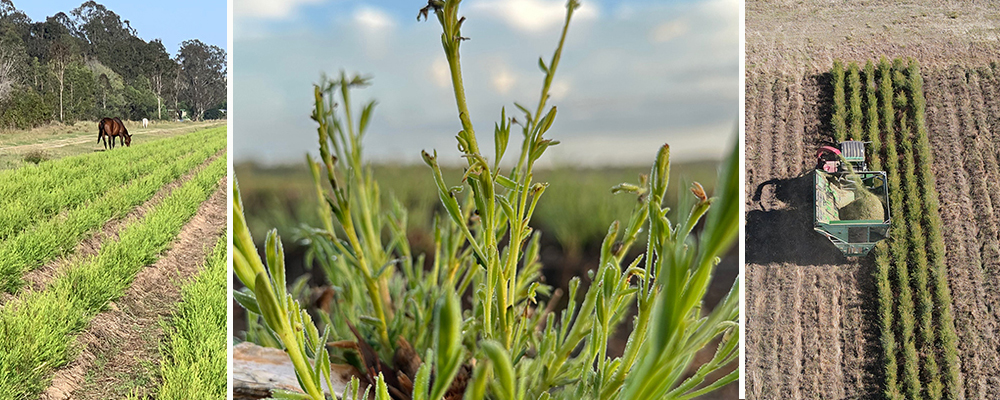
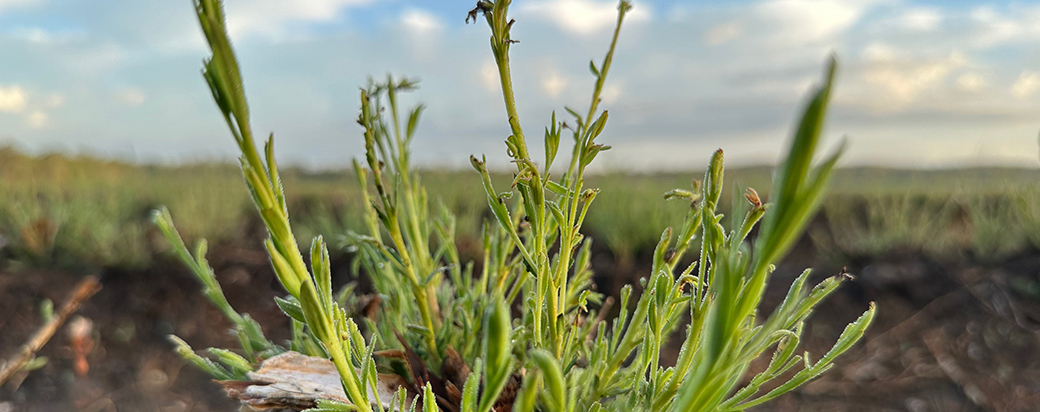
One of the remarkable things about tea tree (Melaleuca alternifolia) is its ability to regrow after harvesting. Unlike many agricultural crops, tea tree plantations do not need to be replanted every year.
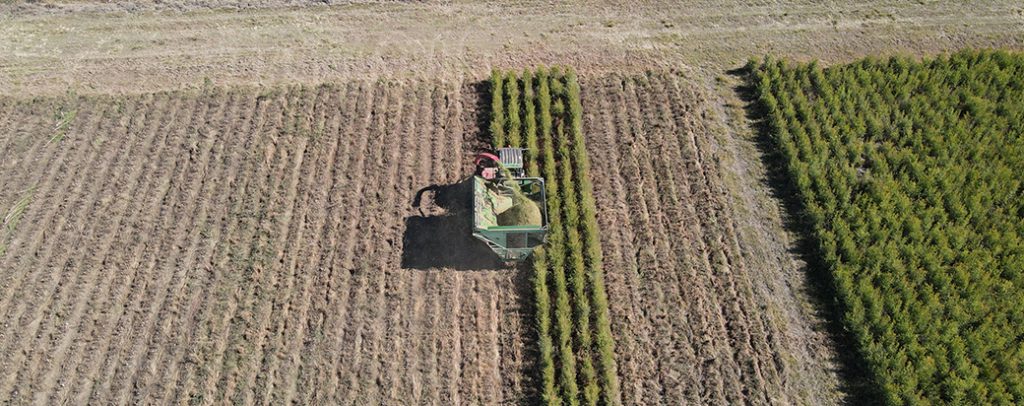
A tea tree can have a lifetime of approximately 30 to 80 years. Our producer plants their tea trees just once for the lifetime of the plantation. When it is time to harvest, the trees are cut back to a stump, allowing them to naturally regrow and produce another crop.
This means there is no need to grow and plant new seedlings from one harvest to the next. Some of the oldest trees in the plantation date back to 1992, demonstrating just how long these plants can continue producing when managed responsibly.
The plantation covers approximately 62.5 hectares, with annual production varying according to seasonal and weather conditions. In a typical year, the plantation produces around 10 to 12 tonnes of tea tree essential oil, equivalent to approximately 160 to 190 kg of essential oil per hectare.
Working with nature, not against it
Sustainable farming isn’t simply about what happens during harvest. It also means considering the entire ecosystem surrounding the crop.
Our tea tree supplier works closely with one of Australia’s leading tea tree agronomists to develop responsible growing practices. One of their key goals is to reduce the need for pesticides wherever possible and allow natural processes to help manage potential problems.
Rather than automatically turning to chemical treatments, they encourage beneficial insects and other natural elements within the plantation.
Ladybugs as natural pest controllers
Ladybugs play an important role in the plantation ecosystem. Their populations are encouraged because they help control insects that can affect tea tree crops, including pyrgo and psyllid larvae. By supporting natural predators, the plantation can help maintain a healthier balance between different species and reduce reliance on pesticides.
It’s a wonderful example of how agricultural practices can work alongside nature rather than constantly trying to control it.
Four-legged helpers in the plantation
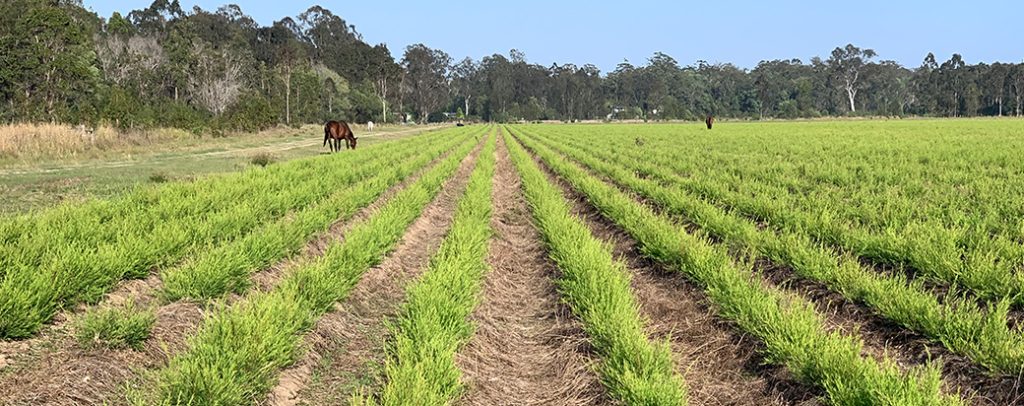
The sustainability story doesn’t stop with insects. The family-owned horses and cows are also part of life on the plantation. They are able to roam freely through the tea tree fields, where they have little interest in eating the tea trees themselves. Instead, they graze on unwanted grasses and weeds, helping to naturally manage vegetation throughout the plantation.
Their presence also contributes to the health of the soil through natural fertilisation. It’s a simple, traditional approach that makes use of the animals already part of the family farm while reducing the need for mechanical or chemical weed management.
Responsible Pesticide Use
While this particular plantation is not certified organic, the producers are committed to creating essential oils using practices that are as close to organic principles as possible.
Their first approach is always to allow nature to resolve potential issues where possible. However, if intervention becomes necessary, they follow the Australian Tea Tree Industry Association (ATTIA) Code of Practice and recommended pesticide-use schedule. This provides a responsible framework for managing the crop while considering both the quality of the essential oil and the surrounding environment.
Sustainability From Plant to Bottle
For us, sustainability is about more than simply using the word “natural”. It is about understanding how a product is grown, harvested and produced.
The ability of tea trees to regrow from established stumps means that the plantation does not require annual replanting. Encouraging beneficial insects helps support biodiversity. Grazing animals assist with weed management and soil fertilisation. And when intervention is necessary, responsible guidelines help ensure pesticide use is carefully considered.
Together, these practices form a farming approach that respects the longevity of the tea tree crop and the environment in which it grows.
Why This Matters to Us
At Aromatherapy For Australia, we love knowing the story behind the essential oils we offer. Tea tree is a wonderful example of how an essential oil can be produced from a long-lived, renewable crop while incorporating thoughtful and environmentally conscious farming practices.
Every bottle of tea tree essential oil represents much more than the oil itself. Behind it are decades-old trees, careful harvesting, natural regeneration, responsible farming practices and a producer committed to continually improving the sustainability of their plantation.
We believe that choosing quality essential oils also means supporting producers who care about how those oils are grown.
From a tree planted decades ago to the essential oil in your bottle today, tea tree has a remarkable story of resilience, regeneration and respect for nature.
Learn More
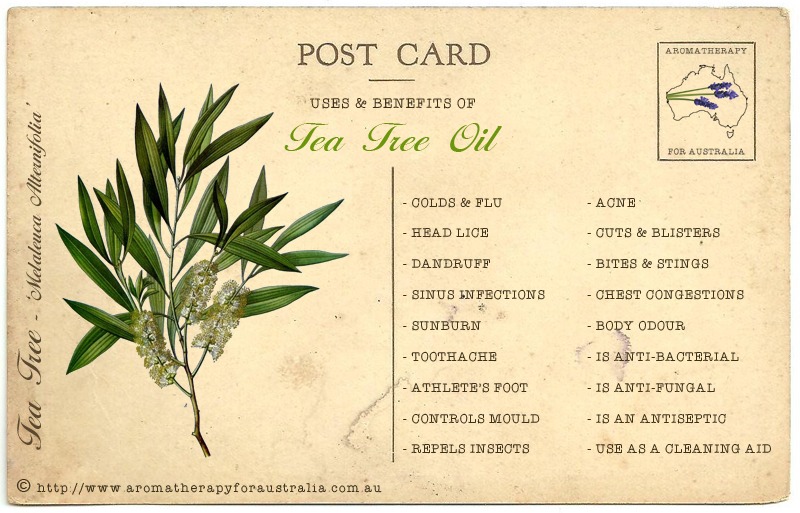
Essential Oil Spotlight : Tea Tree Essential Oil
Shop Tea Tree Oil